
by William B. Irvine
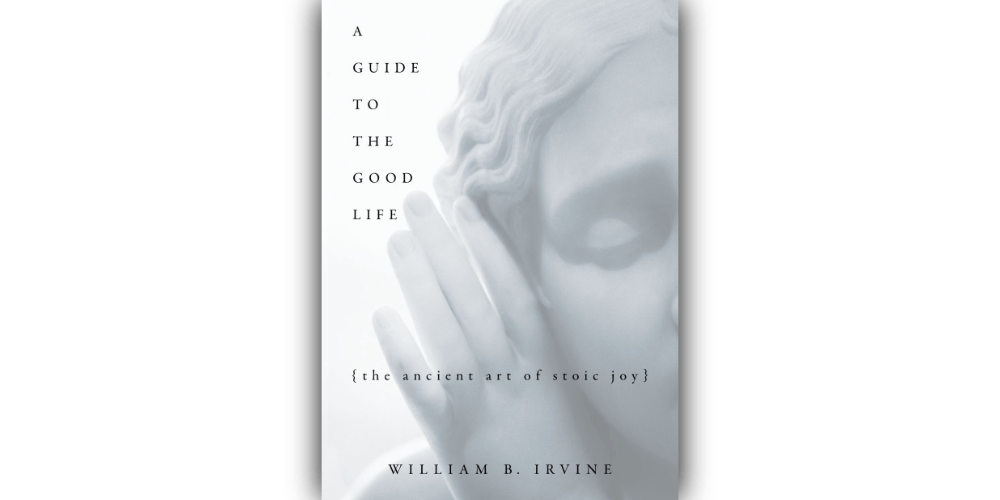
Combat hedonic adaptation with negative visualization. Contemplating the impermanence of everything in the world, we recognize that every time we do something, it could be the last time we do it. Like dining at your favorite restaurant before it is set to close, you will savor every bite.
The trichotomy of control:
- Things over which we have complete control – goals we set and values we form – we should concern ourselves with these things.
- Things over which we have no control at all – whether the sun will rise tomorrow – we should not concern ourselves with these things.
- Things over which we have some but not complete control – whether we win a tennis match – we should concern ourselves with these things, but we should be careful to internalize the goals we form (not winning the match, but playing our best).
Misfortune weighs most heavily on those who expect nothing but good fortune.
Pay attention to your enemies, for they are the first to discover your mistakes.
We’re unhappy because we’re insatiable. After working hard to get what we want, we lose interest in the object of our desire. Rather than feeling satisfied, we feel a bit bored, and in response to this boredom, we go on to form new, even grander desires.
The easiest way to gain happiness is to want the things you already have.
Spend time with an “unclean” person, and you will become unclean as well.
Consider the source of an insult. If you respect the source and value their opinions, then their critical remarks shouldn’t upset you.
Reason is our best weapon against grief, because unless reason puts an end to our tears, fortune will not do so.
Responding to the grief of friends by also grieving is as foolish as helping someone who has been poisoned by also taking poison.
Philosophies of life have two components: They tell us what things in life are and aren’t worth pursuing, and they tell us how to gain the things that are worth having.
If you lack a grand goal in living, you lack a coherent philosophy of life.
Consider our insatiability: As we have seen, our evolutionary ancestors benefited from wanting more of everything, which is why we today have this tendency. But our insatiability, if we do not take steps to bridle it, will disrupt our tranquility; instead of enjoying what we already have, we will spend our life working hard to gain things we don’t have, in the sadly mistaken belief that once we have them, we will enjoy them and search no further. What we must do, again, is misuse our intellect. Instead of using it to devise clever strategies to get more of everything, we must use it to overcome our tendency toward insatiability.
 mitchatavail